


Custom Orthotics: Why Every Age Needs Them (2026)

July 23, 2026

Custom orthotics are specially designed medical inserts that provide support, alignment, and pain relief tailored to your unique foot structure. Unlike generic store-bought insoles, they address specific mechanical imbalances to improve mobility, prevent injury, and enhance long-term foot health for children, athletes, and seniors throughout New Jersey.

Why Are Custom Orthotics Better Than Store-Bought Insoles?

If you walk into a local pharmacy, you’ll likely find a wall of colorful gel pads and foam inserts. While these might offer a temporary cushion, they are not custom orthotics. Generic inserts are built for an "average" foot, but almost nobody has an average foot. Every person has unique arch heights, heel widths, and gaits. Using a one-size-fits-all insert is like wearing someone else’s prescription glasses; it might help a little, but it won’t correct the underlying issue.

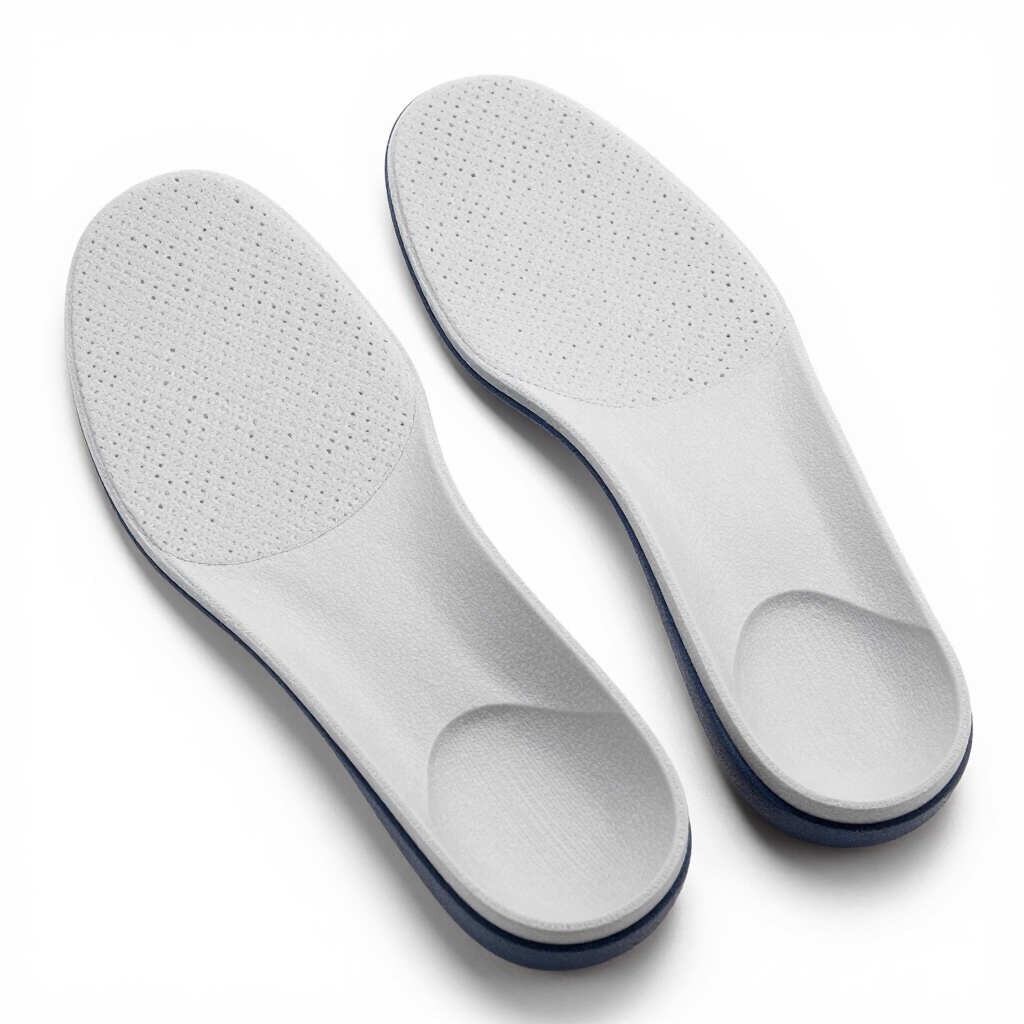
Custom orthotics, available through our Diabetic Shoe Program & Custom Bracing , are medical devices. We use advanced diagnostic tools to map the exact pressure points of your feet. This data allows us to create a device that realigns your skeletal structure, redistributes your weight, and supports your natural movement. This precision is vital for long-term health. Store-bought versions often wear out in weeks, whereas high-quality custom versions can last for years with proper care. They provide structural integrity that foam simply cannot match. By choosing a custom solution, you are investing in the foundation of your entire body, reducing strain on your ankles, knees, and lower back. It is about moving from temporary comfort to permanent correction and lasting relief. Our specialists ensure that every pair is crafted to meet your specific lifestyle needs and medical requirements.

Podiatrist showing custom orthotics

Benefits of Custom Orthotics for Children and Teens

Many parents wonder if children actually need orthotics. After all, kids seem to bounce back from everything. However, the childhood years are the most critical time for foot development. Issues like flat feet, in-toeing, or high arches can lead to significant problems as the child grows. When a child’s foot isn't properly aligned, it can cause "growing pains" that are actually signs of mechanical stress. Our team specializing in Pediatric Foot Care focuses on early intervention to ensure bones and ligaments develop correctly.

Custom orthotics for kids are designed to guide the foot into a neutral position. This helps prevent the overstretching of tendons and the misalignment of the knees. For active teens playing sports, these inserts provide the stability needed to prevent common injuries like shin splints or stress fractures. By correcting a child’s gait early, we can often prevent the need for more invasive treatments or Elective Foot & Ankle Surgery later in life. It is much easier to guide a growing foot than it is to fix a fully formed, misaligned one. We work closely with families to monitor growth and update orthotics as the child’s feet change size, ensuring they always have the support they need to stay active, play hard, and grow strong without the burden of chronic foot discomfort. Providing this foundation early sets a child up for a lifetime of healthy movement and physical confidence.

Can Custom Orthotics Help Active Adults and Athletes?

If you are an athlete or someone who enjoys an active lifestyle in New Jersey, your feet take a lot of punishment. Running, jumping, and even long walks on pavement place immense pressure on the small bones and tissues of your feet. For adults, custom orthotics are often the difference between staying in the game and being sidelined by injury. They provide the precise shock absorption and stability required for high-impact activities. Many common issues addressed in our Sports & Traumatic Injuries department are caused by subtle biomechanical flaws that orthotics can fix.

Benefits for active adults include:

  • Improved balance and stability during lateral movements.
  • Reduction in muscle fatigue by optimizing foot efficiency.
  • Enhanced shock absorption to protect joints.
  • Prevention of common overuse injuries like Achilles tendonitis.
  • Correction of overpronation or supination during the gait cycle.

By using Treatment of Common Foot Problems as a guide, we see that adults often suffer from misalignment that radiates pain upward. A custom orthotic acts as a stabilizer, ensuring that every step you take is biomechanically sound. This doesn't just help your feet; it protects your knees, hips, and lower back from the repetitive stress of daily movement. Whether you are training for a marathon or just want to get through a workday without pain, these devices offer a level of tailored support that transforms your daily experience and enhances performance.

Active couple walking in park

Supporting Mobility in Our Senior Years

As we age, the natural fat pads on the bottom of our feet begin to thin. This loss of natural cushioning can make walking painful and increase the risk of falls. For seniors, maintaining mobility is the key to independence and a high quality of life. Custom orthotics provide the necessary "artificial" cushioning and structural support to compensate for these age-related changes. They are particularly effective for managing the symptoms of osteoarthritis, which often affects the joints of the foot and ankle.

When the joints are properly aligned, there is less friction and inflammation, which translates directly to less pain. Orthotics also help with balance. As our proprioception—the body's ability to sense its position—diminishes with age, having a stable, supportive base under our feet is crucial for preventing slips and falls. Many of our patients find that once they begin wearing their custom inserts, they can walk longer distances and participate in more social activities. It is never too late to start caring for your feet. Whether you are dealing with rigid arches or the complications of long-term wear and tear, a custom solution provides the comfort needed to keep moving confidently. We focus on gentle, effective corrections that prioritize stability, ensuring that our senior patients can enjoy their golden years with as much activity and as little foot pain as possible. Regular adjustments ensure the inserts evolve with your specific mobility needs.

How Do Orthotics Help Manage Chronic Conditions Like Diabetes?

For individuals living with diabetes, foot care is not just about comfort—it is a critical part of overall health management. Diabetes can cause peripheral neuropathy, a condition where you lose sensation in your feet. This means you might not feel a blister or a small stone in your shoe, which can quickly turn into a serious ulcer. Our Diabetic Foot Care specialists use custom orthotics to prevent these complications by eliminating high-pressure areas on the sole of the foot.

Custom orthotics for diabetic patients are often made from softer, specialized materials that protect the skin from friction. They are designed to:

  • Distribute weight evenly across the entire foot surface.
  • Reduce "hot spots" where ulcers are likely to form.
  • Provide a sterile, breathable environment for the foot.
  • Accommodate deformities like hammertoes or bunions.
  • Improve circulation by encouraging a natural walking motion.

In conjunction with our Wound Care & Healing services, custom orthotics play a preventative role. By ensuring the foot is properly supported and protected, we can significantly reduce the risk of infections and the need for more drastic interventions. For a diabetic patient, a well-fitted orthotic is a vital tool for long-term limb preservation and health. It is an essential part of a comprehensive care plan that keeps you mobile and safe while managing your condition with professional, expert guidance and consistent monitoring.

Close up of orthotics

What Common Foot Problems Can Orthotics Treat?

Custom orthotics are incredibly versatile and are used to treat a wide array of ailments. One of the most common reasons patients visit us is for Plantar Fasciitis . This condition involves inflammation of the tissue running along the bottom of the foot, often causing sharp heel pain. An orthotic supports the arch, taking the tension off the plantar fascia and allowing it to heal naturally. We also use them to manage Ingrown Toenails by correcting the gait that puts excessive pressure on the toes. From bunions to neuromas, these inserts provide a non-invasive way to manage pain and improve function without immediately jumping to surgery. They are a powerful tool for restoring health and returning to a pain-free lifestyle.

Summary of Custom Orthotic Benefits

To wrap things up, custom orthotics are a foundational investment in your physical well-being at every stage of life. From helping children develop healthy walking patterns to providing seniors with the stability they need to stay independent, these personalized medical devices offer benefits that generic insoles simply cannot replicate. They provide precise correction for biomechanical issues, relief from chronic pain, and protection against the complications of diseases like diabetes.

Key Takeaways:

  • They provide exact support tailored to your unique anatomy.
  • They prevent long-term joint and muscle issues.
  • They enhance athletic performance and reduce injury risks.
  • They are essential for diabetic health and ulcer prevention.
  • They help maintain mobility and independence as you age.

If you’re ready to experience the difference that custom-made support can make, the expert team at Ocean County Foot & Ankle Surgical Associates is here to help. Don't let foot pain hold you back—step into a more comfortable future today.

Sun-kissed feet in a hammock overlooking a summer beach scene.
June 18, 2026
Protect your feet this summer! Discover expert podiatrist tips for summer foot safety, from beach protection to choosing the right sandals for your Jersey Shore adventures.

By VIV Builder April 9, 2026
Stay active and pain-free this Foot Health Awareness Month. Learn about heel pain, orthotics, diabetic foot care, and sports injury treatment options.
By VIV Builder April 1, 2026
Achilles tendonitis can develop gradually, causing heel pain and stiffness that worsens over time. Learn the warning signs and how a podiatrist can help you get back on your feet.
By VIV Builder March 5, 2026
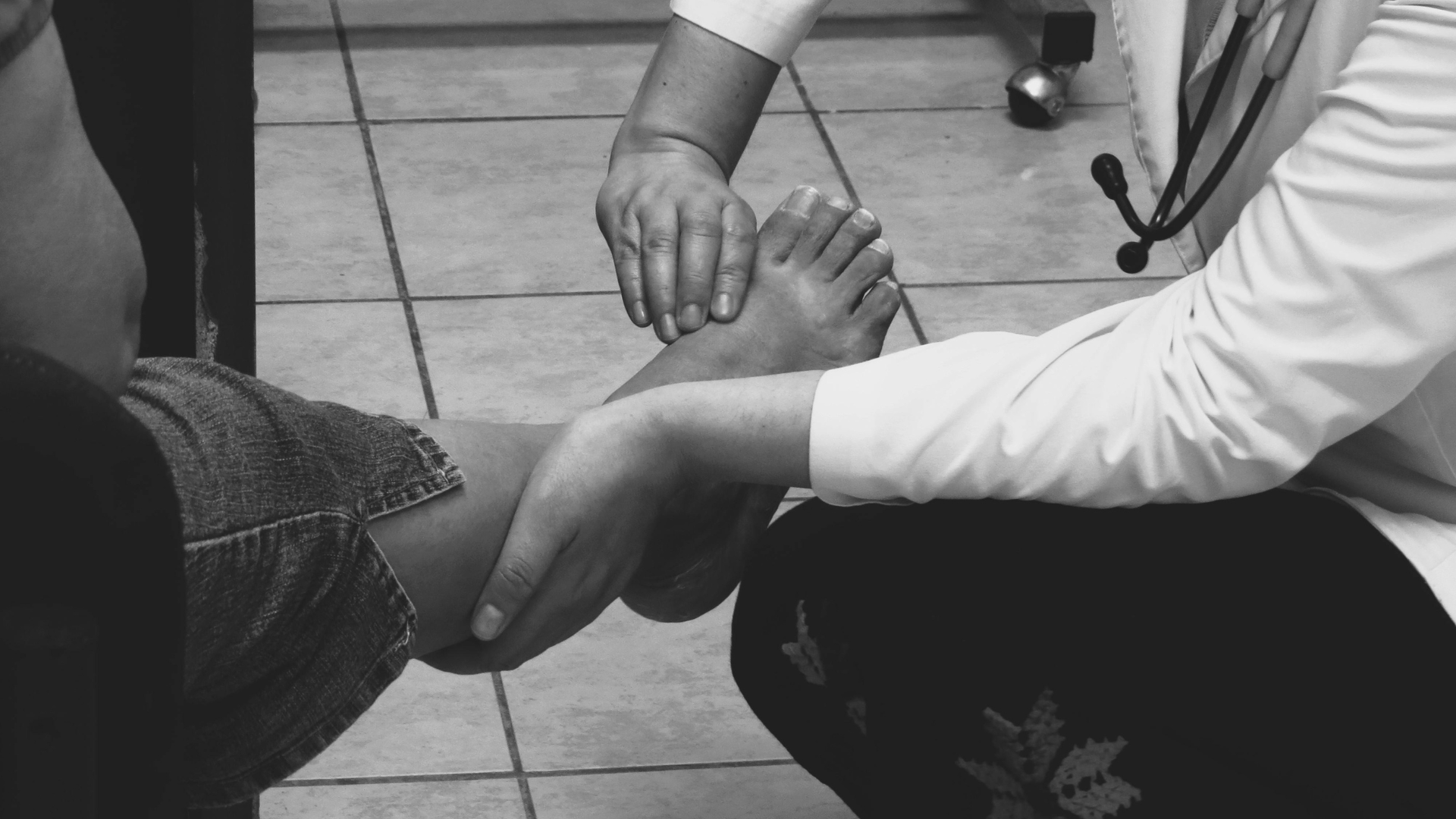
Ingrown toenails are a common foot condition that can start as a minor irritation and quickly become painful. Learn more about how we can help with ingrown toenails.
By VIV Builder February 19, 2026
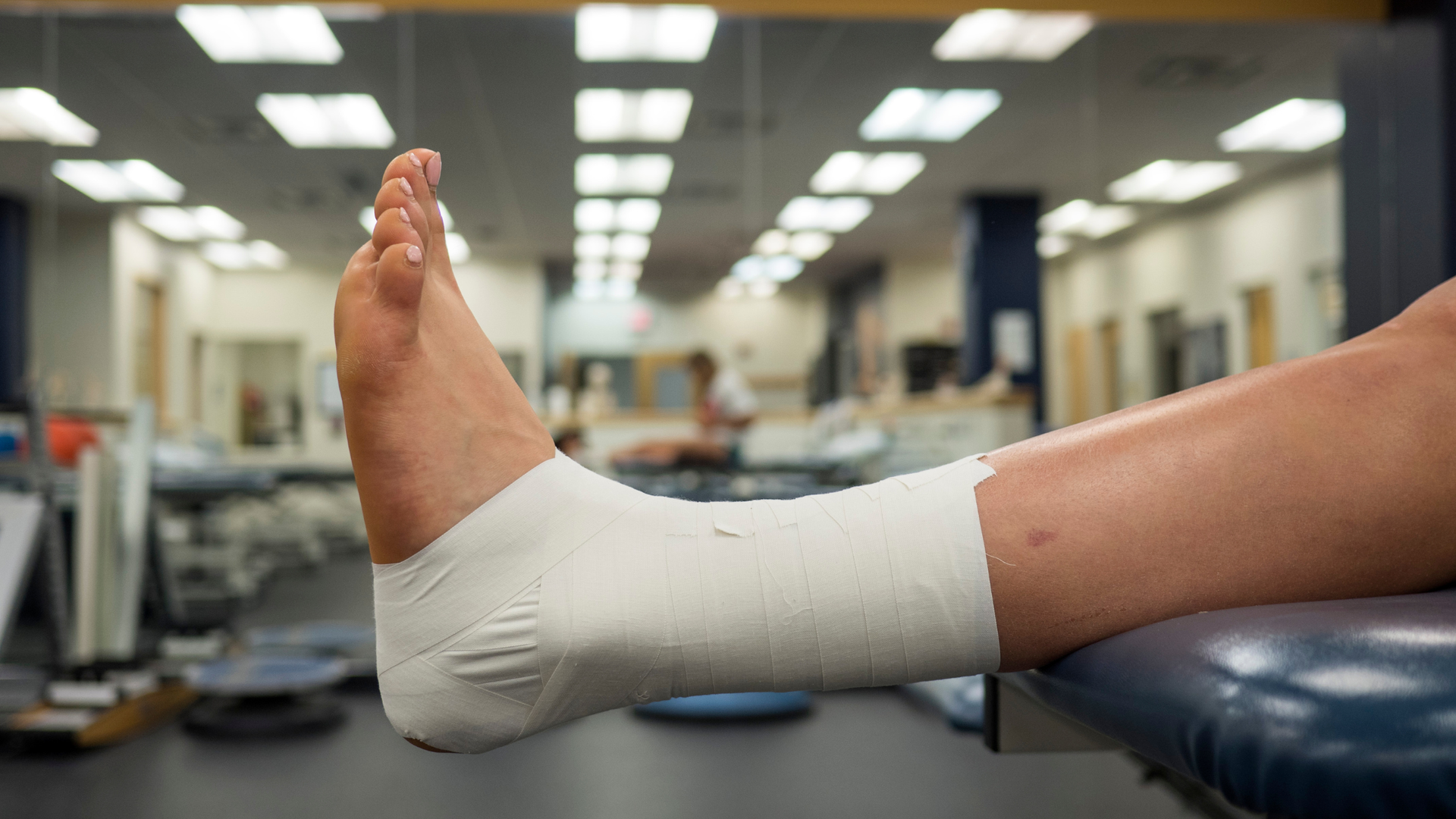
Ankle sprains are one of the most common foot and ankle injuries, yet they're often brushed off as no big deal. The truth is, even a mild sprain deserves proper care.
By VIV Builder February 5, 2026
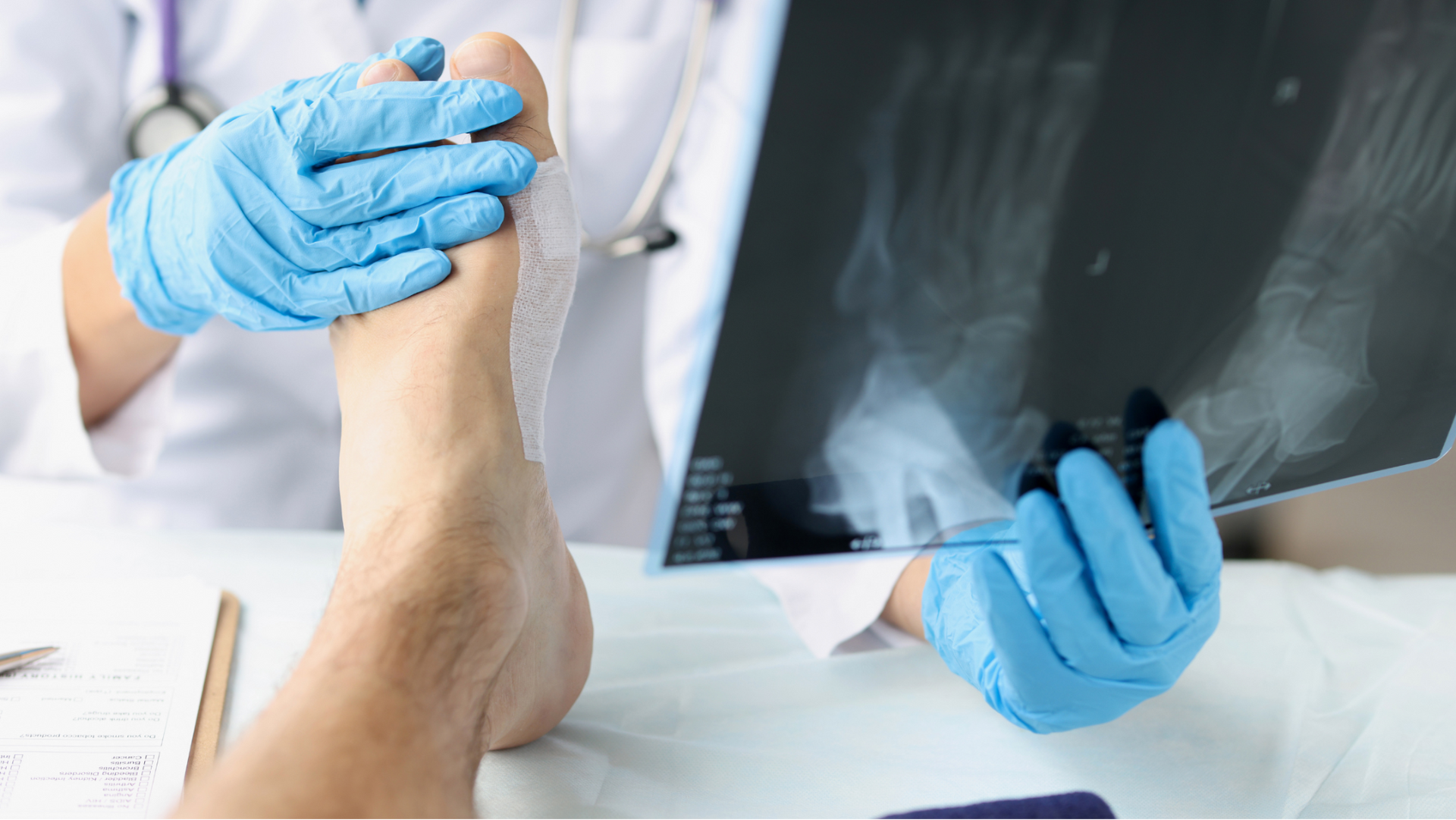
Show Your Feet Some Love This February
By VIV Builder January 23, 2026
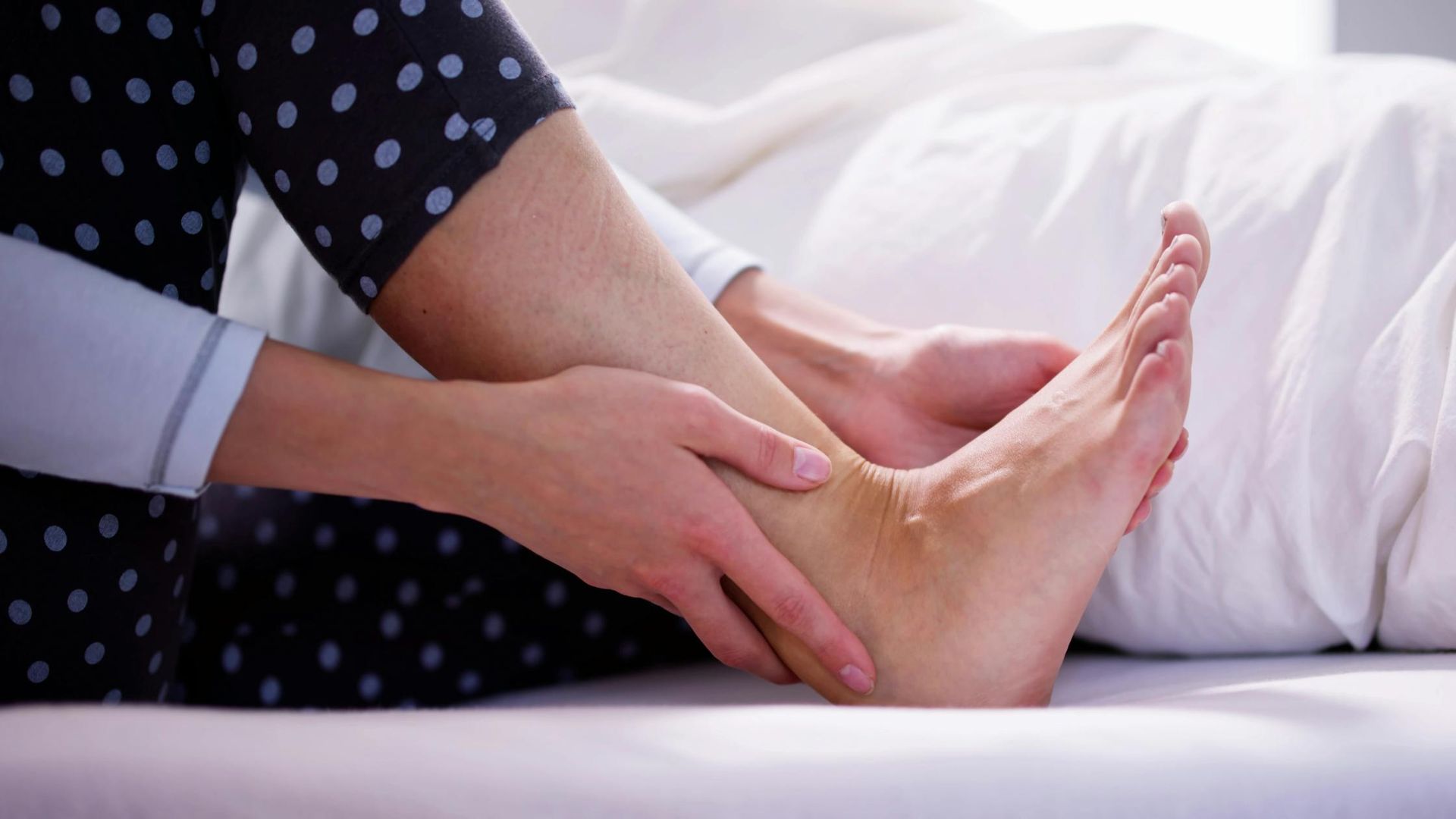
Understanding Podiatry Many people experience foot or ankle pain at some point, but they are not always sure where to turn for care. A podiatrist is a medical doctor who specializes in diagnosing and treating conditions of the foot and ankle. Their goal is to help patients move comfortably, stay active, and avoid pain that interferes with daily life. Podiatrists receive specialized medical training focused entirely on the feet and ankles. Because these areas support the entire body, even minor issues can have a big impact if left untreated. What Conditions Do Podiatrists Treat? Podiatrists treat a wide range of foot and ankle conditions for patients of all ages. From common concerns like heel pain and ingrown toenails to more complex issues such as sports injuries and diabetic foot conditions, podiatrists are trained to handle both routine and advanced care. They also address structural problems, skin and nail conditions, and injuries that affect mobility. By identifying the root cause of foot or ankle pain, podiatrists help patients find long-term relief rather than temporary fixes. When Should You See a Podiatrist? Foot pain is not something you have to live with. If you notice ongoing discomfort, changes in how you walk, or issues with your toenails or skin, it may be time to see a podiatrist. Early care can help prevent small problems from becoming more serious and can reduce recovery time. Patients with diabetes should also see a podiatrist regularly to help prevent complications and maintain foot health. What to Expect During Your Visit During a podiatry appointment, your provider will take time to understand your symptoms and lifestyle. They will examine your feet and ankles and may recommend imaging or other tests if needed. Based on their findings, they will create a personalized treatment plan tailored to your needs. Many podiatry treatments can be done in the office, allowing patients to return to normal activities quickly. Why Foot Health Matters Your feet play a major role in your overall health. Ongoing foot or ankle pain can lead to posture changes and strain on the knees, hips, and lower back. Proper foot care helps keep your entire body moving the way it should. Seeing a podiatrist is an important step in maintaining mobility and preventing future problems. Take the Next Step Toward Better Foot Health If foot or ankle pain is affecting your daily life, a podiatrist can help. With the right care and treatment, many conditions can be managed or resolved. Scheduling an appointment with a podiatrist is a simple step that can make a lasting difference in your comfort and mobility.
By VIV Builder January 9, 2026
A New Year Shouldn’t Start With Pain The beginning of a new year often comes with fresh goals—being more active, feeling healthier, and getting back to routines you enjoy. But heel pain can quickly get in the way. When every step hurts, even small tasks can feel frustrating. Heel pain is one of the most common foot issues treated by podiatrists. Many people try to ignore it or hope it will go away on its own, but without proper care, heel pain often lingers or gets worse over time. Why Heel Pain Happens Heel pain can develop for several reasons, and it often builds gradually. One of the most common causes is plantar fasciitis, which occurs when the tissue supporting the arch of the foot becomes inflamed. Other causes may include strain on the Achilles tendon, wearing shoes without proper support, or spending long hours on your feet. Pain is often most noticeable in the morning or after long periods of rest. While it may ease as you move around, it tends to return and can worsen without treatment. Common Conditions Linked to Heel Pain While heel pain feels similar for many people, the underlying cause can vary. Some of the most common conditions include: Plantar fasciitis Heel spurs Achilles tendon irritation Overuse or repetitive strain injuries Identifying the exact cause is key to getting the right treatment and long-term relief. Why Early Treatment Matters Ignoring heel pain can lead to changes in the way you walk. Over time, this can place added stress on your ankles, knees, hips, and lower back. What starts as foot pain can turn into discomfort throughout your body. Seeing a podiatrist early can help prevent these issues and reduce recovery time. Most heel pain can be treated without surgery when addressed promptly. How a Podiatrist Can Help A podiatrist specializes in foot and ankle care and can create a treatment plan tailored to your needs. Treatment may include stretching exercises, custom orthotics, footwear guidance, or other therapies designed to reduce pain and inflammation. With the right approach, many patients begin to feel relief and regain mobility. Step Into the New Year With Confidence Heel pain does not have to define your year. With proper care and treatment, you can move more comfortably and get back to doing the things you enjoy. If heel pain is holding you back, schedule a visit with a podiatrist and take the first step toward a healthier, pain-free new year.

By Ben McGill December 19, 2025
We are proud to share highlights from the Desert Foot Conference, where Dr. Matthew Regulski, DPM, FFPM RCPS (Glasgow), DABMSP, was invited to lecture on advanced wound care topics alongside leading podiatric and medical professionals from around the world.  At this highly regarded conference, Dr. Regulski presented on two critical areas in modern limb preservation and wound management: “Prepare to Repair” – a comprehensive approach to optimizing the wound environment before advanced treatment The Role of Oxygen in Chronic Wound Healing – exploring how oxygen delivery and tissue perfusion directly impact healing outcomes in complex wounds These lectures focused on evidence-based strategies for treating chronic and non-healing wounds, emphasizing the importance of preparation, vascular considerations, and biologic healing principles. Dr. Regulski’s presentations were well received and sparked meaningful discussion among peers dedicated to advancing wound care and limb salvage. Leadership in Podiatric Medicine Dr. Regulski’s participation reflects his ongoing commitment to education, research, and leadership within the podiatric community. In addition to his clinical work, he serves in several distinguished roles, including: Executive Board Member, Faculty of Podiatric Medicine The Royal College of Physicians and Surgeons of Glasgow Scientific Committee Member, Federation of International Podiatry These positions highlight Dr. Regulski’s involvement at the highest levels of international podiatric medicine and his dedication to shaping the future of wound care and foot and ankle health. Bringing Advanced Care Back to Our Patients What happens at conferences like Desert Foot directly benefits our patients. By staying at the forefront of wound-healing science and collaborating with global experts, Dr. Regulski continues to bring the latest, most effective treatment strategies back to our practice — improving outcomes for patients with complex wounds, diabetic foot complications, and limb-threatening conditions.

December 18, 2025
A new year is the perfect time to focus on your health—starting from the ground up. As we head into 2026, taking care of your feet can help you stay active, comfortable, and ready for everything the year brings.  Why Foot Health Matters in the New Year Healthy feet support your overall mobility and daily comfort. Common foot problems can make walking, standing, and even simple activities difficult. Early care can prevent small issues from becoming bigger ones. You may benefit from a podiatry visit if you have: Heel or arch pain Flat feet or high arches Foot or ankle injuries Toenail problems Corns, calluses, or skin issues Pain that keeps coming back How We Help You Start the Year Strong Our podiatry team provides: Comprehensive Foot Exams to identify pain or concerns Treatment Plans for chronic or sudden foot issues Custom Orthotics for support and alignment Footwear Guidance to reduce discomfort and improve stability Preventive Care to keep your feet healthy long-term Start 2026 With Healthy, Pain-Free Feet Make this the year you put your foot health first. Schedule an appointment today to address any concerns and step into 2026 with confidence, comfort, and support.

Show More